Showing posts with label archives. Show all posts

Friday, July 14, 2023

The First Galway Film Fleadh

Summer in Galway is never complete without a series of cultural festivals. From theatre to visual arts, music and more, streets and venues across the city become busy with festival goers enjoying the atmosphere and events. The Galway Film Fleadh has another packed programme, from shorts to feature films, new Irish documentaries and international offerings. For over three decades, the Film Fleadh has celebrated the best of film and brought many famous faces, local or otherwise, to the city. 

The first Galway Film Fleadh took place in 1989. Materials within the archives of Galway University Library show some of the original ephemera from that very first Film Fleadh. 

'Stop Press!' ran the headline of the press release announcing the screening of Venus Peter, the first screening by the Fleadh. Also the Irish premiere of the film, it was the last film to feature Ray McAnally. Set on the Orkney Islands, the film was directed by Ian Seller and also starred Sinéad Cusack and Peter Caffrey. 


Announcement of the first Galway Film Fleadh
1989. 


Invitation to the Gala Irish Premiere of Venus Peter as part of the first Galway Film Fleadh. 1989


The Film Fleadh team consisted of Lelia Doolan, Miriam Allen, Bob Quinn, Joe McMahon, and Steve Woods, running from 19-24 July in association with the Galway Arts Festival. Venus Peter  was screened at the Claddgh Picture Palace. Speaking ahead of the opening of the Film Fleadh, Lelia Doolan stated that the Fleadh would feature a mix of Irish and European films, would focus on the issue of funding for film and would also include a first-time gathering of animators in Ireland, and a showing of their work. 

Press Release from the First Galway Film Fleadh. 1989. 


Thursday, December 22, 2022

Winter Solstice and Newgrange - Images from the Etienne Rynne Archive


Entrance of Newgrange passage tomb - Rynne Archive

The Winter solstice took place this week and included an annual gathering of people at the historic site of Newgrange in Co. Meath, to witness the sunrise and illumination of the inner chamber on the shortest day of the year, 21st December.

Within the archive of archaeologist Etienne Rynne at University of Galway Library Archives are a number of records including photographs, postcard images, some dating from the 1950s, and later research files by Rynne into the history, archaeology, and culture of the site at Newgrange. Etienne Rynne (1932–2012) took up work as a lecturer in Archaeology at then University College Galway in 1967, having previously worked at the National Museum of Ireland. Rynne retired as Professor of Celtic Archaeology at UCG in 1998 after thirty-one years. 

Rynne's archive holds a wealth of material about many of Ireland's greatest archaeological sites and objects, including Newgrange. His research files include studies and analysis of the carved symbols and artworks on numerous stones around the entranceway of the passage tomb on the site. The images show the layout and condition of the site at the mid-point of the 20th century but also interestingly show the appeal and interest, nationally and internationally, about the site and its symbolism, as its image, such as the famous carved stones at the entranceway to the tomb, were used and reproduced on postcards which were available for purchase at the time of the 1950s.

Material relating to Newgrange Passage Tomb - Rynne Archive

An internationally renowned UNESCO world heritage site, the Brú na Bóinne complex, including Newgrange, and the solstice lighting of the inner chamber of the passage grave, is a spectacle to behold and the Rynne archive provides new insights into archaeological record of Newgrange.

The wider Etienne Rynne archive (and Rynne family archive, comprising of records of other members and branches of the Rynne family) is a hugely detailed archive of Irish archaeological sites and objects, and a record of a life’s research into Ireland’s early history and the discovery, recovery, and care of its archaeological heritage through the twentieth century.

Postcard with image taken at Newgrange - Rynne Archive

The full Rynne Archive catalogue is available to searchonline here.

Monday, November 21, 2022

Pan Pan Theatre Company - Archive Launch and Digital Exhibition.


Pan Pan Theatre Company Archive and Digital Exhibition Launch

29th November 2022

Location: ‘The Bridge Room’, Hardiman Building, University of Galway 


2pm Welcome and Introductions:

Barry Houlihan, Archivist, Library Archives.

John Cox, University Librarian


2.15 - 3.15pm: Panel 1: ‘A Theatre of Ideas’ - Pan Pan and Contemporary Irish Drama

Ian Walsh - Out of the dark: Pan Pan’s Staging of Beckett’s Radio Plays, All that Fall and Embers.

Charlotte McIvor: ""Pan Pan's Conceptual Theatre of Rigour and International Lineages of Resonance."

Emer McHugh: ‘Playing [with] Shakespeare, Playing the Dane’.

Chair: Finian O’Gorman


3.15pm - 4pm: Pan Pan and the Archive - "Noise and People, People and Noise"

               Barry Houlihan

               Aafke Van Pelt 


Break: 4pm – 4.15pm          


4.15 - 5pm Gavin Quinn and Aedín Cosgrove in conversation, moderated by Patrick Lonergan


5pm Launch of Pan Pan Archive and Digital Exhibition

Welcome and Introductions: Dan Carey, Director, Moore Institute.

Launched by Willie White, Artistic Director, Dublin Theatre Festival. 

Refreshments provided. 

Andrew Bennett and Judith Roddy, in Everyone is King Lear in Their Own Home,
Pan Pan Theatre Company, 2012. Photograph (c) Ros Kavanagh.

Pan Pan Theatre Company Archive and Digital Exhibition launched at University of Galway Library

The archive of the award-winning Pan Pan Theatre Company has been donated to the University of Galway Library Archives. Established in 1993 by Gavin Quinn and Aedín Cosgrove, Pan Pan Theatre Company have established international recognition as one of Ireland’s premiere theatre companies, touring throughout Ireland, Europe, the United States and from China to New Zealand. The archive is fully catalogued and available to researchers at University of Galway Library. A new digital online exhibition will share the Pan Pan archive with a global audience.

The Pan Pan archive consists of annotated scripts, production notebooks, photographs, designs, programmes, posters, and a vast collection of digital show recordings, spanning more than fifty boxes of materials from the last thirty years. The papers document the early years and development of the company led by Quinn and Cosgrove, who have directed and designed the majority of Pan Pan productions. Pan Pan were established in 1993 as “Ireland’s first deaf ensemble”. Pan Pan produced work for and with deaf practitioners and audiences, creating a new space of accessibility for Irish theatre in the mid- and late-1990s. New original works by Pan Pan at this time Tailors Requiem (1996), Cartoon (1998), and Standoffish (2000).

In later years Pan Pan adapted Irish and European classics in new and innovate productions. Oedipus Loves You by Simon Doyle and Gavin Quinn (2006), which starred Ruth Negga, toured to international acclaim. The Crumb Trail by Gina Moxley (20009) revisited the form of the fairy tale for a modern technology-driven society. Pan Pan engaged with the works of Samuel Beckett and William Shakespeare across a number of productions. Pan Pan produced Beckett’s radio plays, All That Fall in 2011, and Embers in 2013, and also Beckett’s Quad (2013) and Endgame (2019). Shakespeare’s works were explored in Mac-beth 7 (2004) and The Rehearsal: Playing the Dane (2010), a reworking of Hamlet. In 2006, Pan Pan staged an all-Chinese cast production of J.M. Synge’s The Playboy of the Western World in Shanghai, translated into Mandarin, setting the production in a contemporary hairdresser’s salon.

Pan Pan are today producing new works and regularly touring nationally and internationally. The recipients of many international awards as well as Irish Times Irish Theatre Awards, the Pan Pan archive documents a company that has always sought to innovate, reinterpret, and connect Irish theatre and culture to the worldwide audience.

Dr. Barry Houlihan, Archivist, University of Galway, commented that “working on the Pan Pan archive and cataloguing its vast array of materials is a reminder of the immense contribution that Pan Pan have made to contemporary Irish drama in Ireland and internationally. The archive will be in an immersive and fascinating resource for anyone interesting in the company and modern Irish theatre and culture.”

Gavin Quinn and Aedín Cosgrove, co-founders of Pan Pan Theatre Company added: “It's an amazing opportunity that University of Galway has given Pan Pan to make our work available in this archive, we are blown away by the dedication and curatorial excellence of the Archive team. We are delighted that our little contribution to the theatre scene in Ireland will be preserved."

Dr. Charlotte McIvor, Head of Drama, Theatre, and Performance at University of Galway commented: “The acquisition of the Pan Pan archive gives us another opportunity to bring together history and practice in our Drama and Theatre Studies classrooms and across the School of English and Creative Arts.  Pan Pan have always been at the vanguard of moving Irish theatre forward as a landscape since their founding, and we are now delighted to be partnering with them to bring the transformative story of their history and their future directly to our students.”

The Pan Pan archive digital exhibition, curated by Aafke Van Pelt with Eimhin Joyce and Barry Houlihan, includes over four hundred digital objects from across the Pan Pan archive, all freely accessible online via the University of Galway Library Digital Repository.

John Cox, University Librarian, University of Galway adds that, “We are delighted to have secured the archive of such an innovative company as Pan Pan. This archive is a tremendous collection in its own right and complements our archival coverage of other Irish theatre companies, including the digitised archives of the Abbey and Gate Theatres and others in paper format such as those of the Druid, Lyric and Taibhdhearc.”

The Pan Pan archive and digital exhibition will be launched at an event in University of Galway by Willie White, Director of the Dublin Theatre Festival on 29th November. All are welcome to attend.


Link to Digital Exhibition: https://exhibitions.library.nuigalway.ie/s/panpan/page/introduction


Video message from His Excellency, Adriaan Palm, Dutch Ambassador to Ireland on the occasion of the launch of the Pan Pan Theatre Archive and Digital Exhibition. 

Monday, September 19, 2022

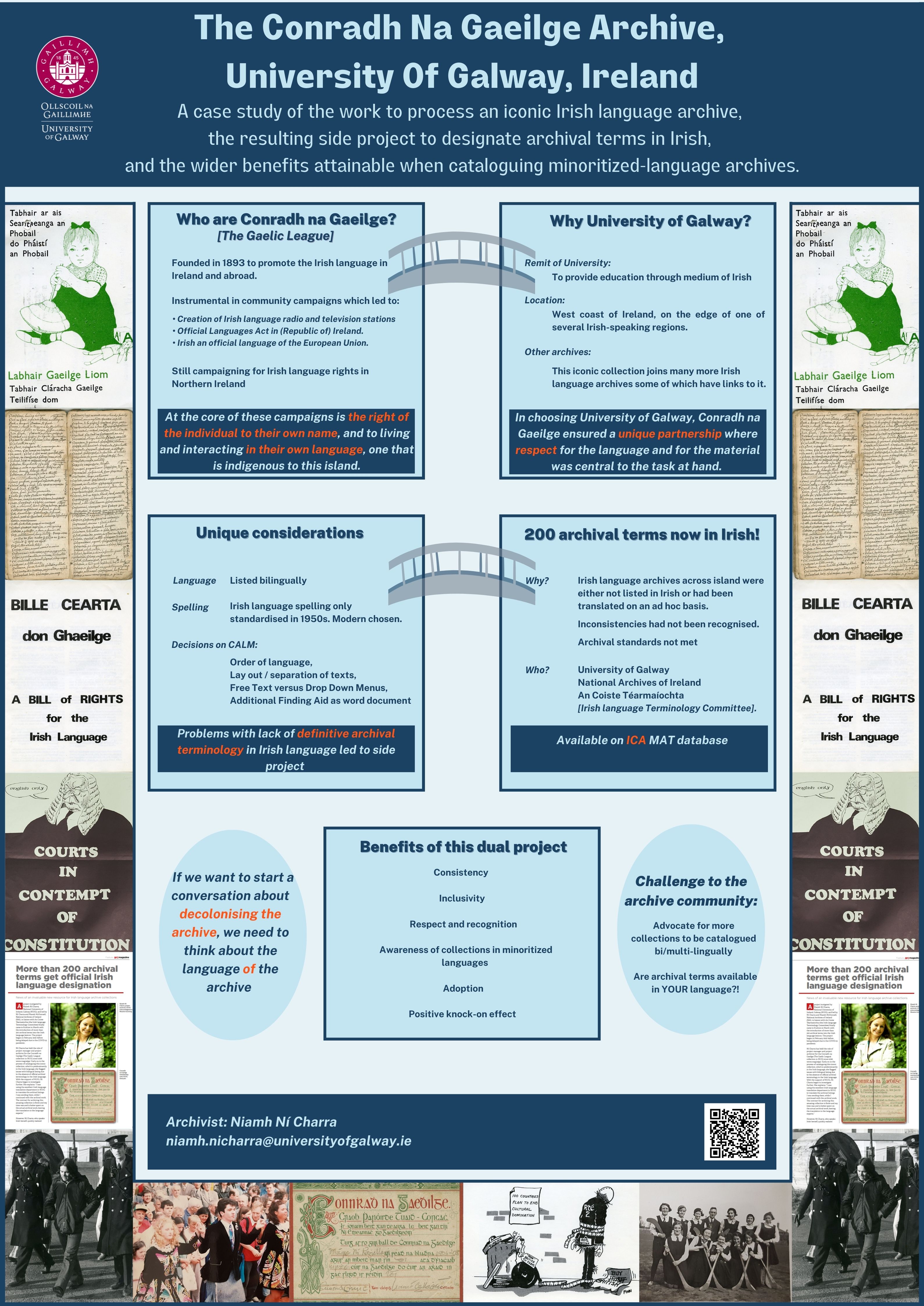
Léiriú Póstaer Ollscoil na Gaillimhe ag comhdháil Dhébhliantúil Chomhairle Idirnáisiúnta na gCartlann, an Róimh, 19-23 Meán Fómhair 2022


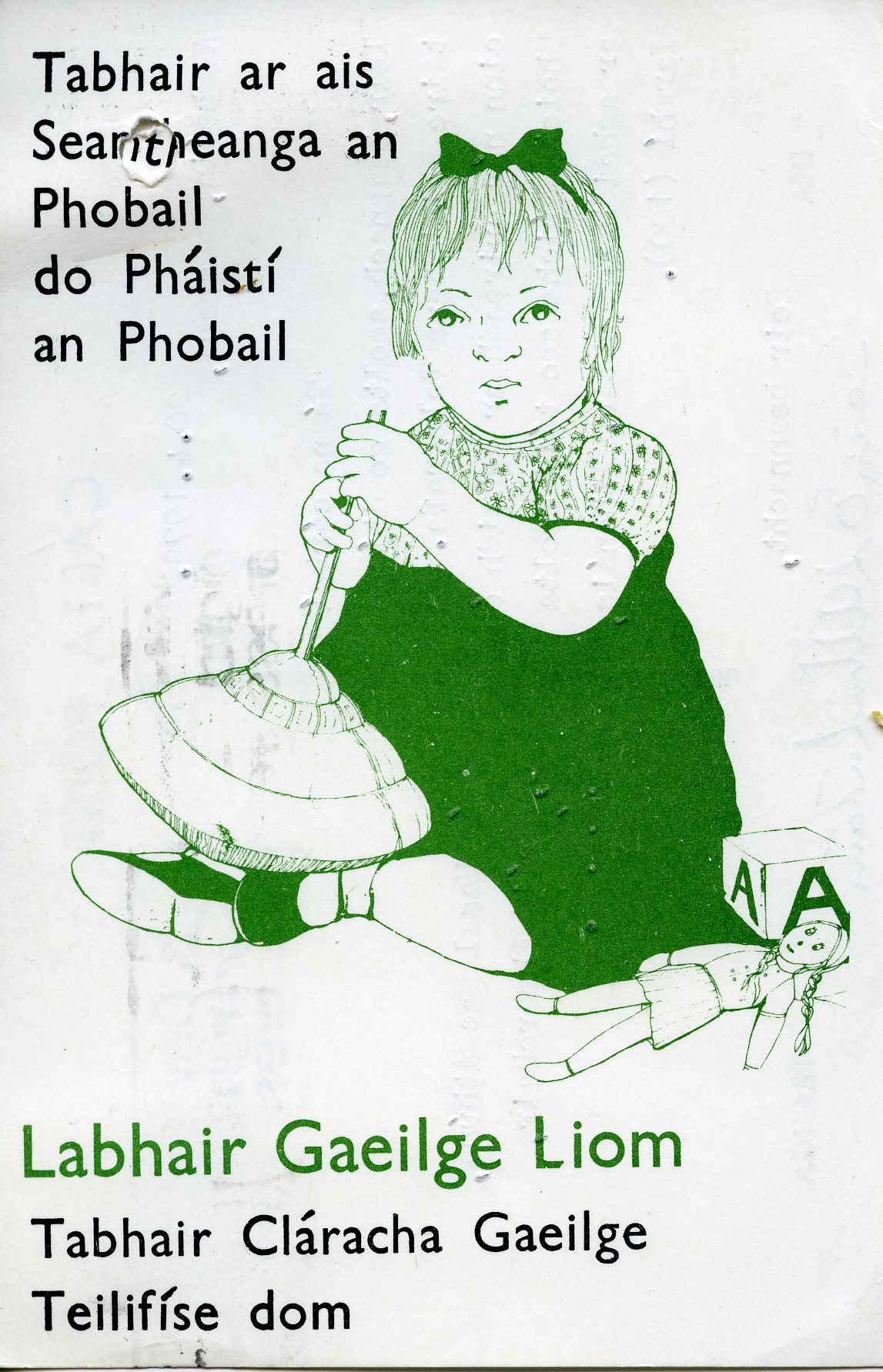
Tá cartlann Chonradh na Gaeilge in Ollscoil na Gaillimhe, agus obair an chartlannaí Niamh Ní Charra chun í a phróiseáil agus a chur ar fáil do thaighdeoirí, mar ábhar do chur i láthair póstaer ag Comhdháil ICA [Comhairle Idirnáisiúnta na gCartlann] na bliana seo. Tá Ní Charra ag seasamh an fhóid léi féin do chartlanna agus do chartlannaithe na hÉireann ag an gcomhdháil agus is é seo an chéad uair a bheidh an Ghaeilge le feiceáil ó thosaigh an chomhdháil deich mbliana ó shin.

"Archives: Bridging the Gap" an téama a bhaineann le comhdháil na bliana seo, agus tá sé sin roinnte ina cheithre chatagóir eile:"Bridging the Digital Gap", "Bridging the Cultural Gap", "Bridging the Democracy Gap" agus "Bridging the Distance". Tagann aighneacht Ní Charra faoin dara catagóir agus tá an téasc a théann lena cur i láthair póstaer anseo thíos.

Cartlann Chonradh na Gaeilge, Ollscoil na Gaillimhe, Éire

Cás-staidéar ar an obair chun cartlann Ghaeilge a phróiseáil, an tionscadal tánaisteach a d'eascair as sin chun téarmaí cartlainne a cheapadh i nGaeilge, agus na buntáistí níos leithne is féidir a bhaint amach agus catalógú á dhéanamh ar chartlanna teangacha mionlaithe.

Sa bhliain 2018 cuireadh tús le hobair ar phróiseáil agus ar chatalógú chartlann mór le rá Chonradh na Gaeilge in Ollscoil na Gaillimhe. Críochnaíodh an obair agus seoladh an chartlann go hoifigiúil níos luaithe i mbliana. Cabhraíonn cur i dtaisce, próiseáil agus cur ar fáil chartlann na heagraíocht trasteorann agus ollscoil a bhfuil sainchúram uathúil uirthi i leith na Gaeilge, trí chatalógú dátheangach, trí bhreis agus 200 téarma cartlainne a cheapadh i nGaeilge agus trí úsáid a bhaint as an gcartlann chun aird a tharaingt ar obair na heagraíochta féin.

Céard é Conradh na Gaeilge?

    Is eagraíocht é Conradh na Gaeilge a bhunaíodh sa bhliain 1893 chun an Ghaeilge a chur chun cinn in Éirinn agus thar lear. Tugann an t-ábhar léargas uathúil ar an 130 bliain nó níos mó de stair oileán na hÉireann. Rinne an fhoireann úsáid na Gaeilge i ngach gné den saol ó lá go lá a chur chun cinn agus a scrúdú. Clúdaíonn cuid shuntasach den ábhar roinnt feachtas a bhaineann le cearta teanga. Áirítear freisin cáipéisí a bhaineann le cearta na bpríosúnach agus cearta sibhialta i dTuaisceart Éireann.

Bhí an Conradh lárnach i bhfeachtais phobail a raibh na nithe seo a leanas mar thoradh orthu:

  • cruthú stáisiún raidió agus teilifíse Gaeilge [1972, 1996]
  • achtú Acht na dTeangacha Oifigiúla [14 Iúil 2003] i (bPoblacht) na hÉireann
  • an Ghaeilge a bheith mar theanga oifigiúil de chuid an Aontais Eorpaigh[1 Eanáir 2007]
Tá siad fós i mbun feachtais ar son chearta na Gaeilge i dTuaisceart Éireann. 

Ag croílár na bhfeactas seo tá ceart an duine aonair ar a (h)ainm féin a bheith ina t(h)eanga féin, agus maireachtáil agus idirghníomhú ina t(h)eanga féin, teanga atá dúchasach don oileán seo.


Cén fáth a roghnaíodh Ollscoil na Gaillimhe?
    Agus cinneadh á dhéanamh cén áit ar cheart an chartlann thar a bheith saibhir agus suntasach seo a chur i dtaisce, bhí a fhios ag Conradh na Gaeilge a thábhachtaí a bhí sé an institiúid cheart a roghnú chun an chartlann a choinneáil agus an obair riachtanach a dhéanamh. Tar éis machnamh cúramach a dhéanamh, roghnaigh siad Ollscoil na Gaillimhe, (Ollscoil na hÉireann, Gaillimhe roimhe seo). Bhí roinnt cúiseanna leis an gcinneadh seo: 

  • Sainchúram na hOllscoile - gné uathúil de shainchúram Ollscoil na Gaillimhe mar ollscoil is ea a tiomantas straitéiseach maidir le hoideachas ollscoile a chur ar fáil i nGaeilge, a haidhm freastal ar an nGaeltacht agus ar phobal na Gaeilge, agus campas dátheangach eiseamláireach a chruthú.
  • Suíomh - tá an ollscoil suite ar chósta thiar na hÉireann ar imeall Ghaeltacht Chonamara. Chomh maith le sin, tá dlúthcheangal idir an Ollscoil agus an réigiún mar gheall go bhfuil ionaid oideachais agus chultúir Ghailge aici i nGaeltacht Chonamara agus i nGaeltacht Dhún na nGall araon. 
  • Cartlanna i dteangacha eile - tá an cnuasach aitheanta seo anois i measc go leor cartlanna Gaeilge eile san ollscoil, agus baint ag go leor acu sin leis an gcartlann seo.
  • Meas ar an teanga - agus Ollscoil na Gaillimhe á roghnú, chinntigh Conradh na Gaeilge go mbeadh comhpháirteach ar leith a raibh meas ar an teanga agus ar an ábhar lárnach sa chúram a bhí idir lámha aici.


Ceisteanna Uathúla:
    Seachas na gnáthchinntí a chaithfidh cartlannaithe a dhéanamh agus cartlann á meas, á próiseáil, á buanchoimeád agus á catalógú, tháinig ceisteanna uathúla breise chun cinn de charr nádúr na cartlainne áirithe seo.
    Mar chuid den chomhaontú idir Conradh na Gaeilge agus an Ollscoil, bhí sé ríthábhachtach go mbeadh an chartlann liostaithe i nGaeilge le cinntiú go raibh sí ar fáil do phobal na Gaeilge. Chinn an chartlannaí liosta a dhéanamh i mBéarla freisin chun a chinntiú go mbeadh an chartlann iontach seo inrochtana do dhaoine nach bhfuil Gaeilge acu chomh maith. (Tá go leor preaseisiúintí agus ábhar eile i mBéarla agus tá 24 teanga léirithe sa bhailiúchán).
    Ba ghná cinntí a dhéanamh maidir leis an litriú fresin: Ní dhearnadh caighdeánú ar litriú na Gaeilge go dtí na 1950idí agus tá go leor éagsúlachtaí litrithe le fáil sa chnuasach dá bharr. Ar mhaithe le leanúnachas roghnaíodh litriú nua-aimseartha agus liostaíodh leaganacha níos sine freisin nuair ba dhá (e.g. Connradh na Gaedhilge [Conradh na Gaeilge]).
    I measc na gcinntí a bhain le CALM bhí cén t-ord a bheadh ar na liostaí Gaeilge agus Béarla, conas an dá cheann a scaradh óna chéile, cibé acu roghanna saorthéacs nó Roghchláir Anuas a úsáid le haghaidh réimsí áirithe, agus cén áit ar cheart na roghanna réamhshocraithe a shárú. Agus liostú dátheangach curtha isteach in CALM, bheadh an áis aimsithe ar fáil go dátheangach freisin dá ndéanfaí tuairisc a ghiniúint trí CALM. Socráiodh mar sin leagan Gaeilge amháin a chur ar fáil chomh maith mar cháipéis Word.
    Le linn an phróisis catalógaithe, baineadh úsáid as seirbhís aistriúcháin na hOllscoile. Cuireadh bac ar a sárobair, áfach, toisc nach raibh téarmaíocht chartlainne Ghaeilge ar fáil ag an am.


Tionscadal tánaisteach - 200 téarma cartlainne ceaptha i nGaeilge:
    Tháinig fadhbanna maidir le haistriúchán na catalóige chhun cinn go luath sa phróiseas mar gheall ar easpa téarmaíocht oifigiúil chartlainne i nGaeilge. De bharr shaibhreas na teanga bhí roghanna iolracha do théarmaí áirithe ar fáil, agus ní raibh aon leagan Gaeilge do thearmaí eile, nó má bhí ní raibh sé ag cur an bhrí ar leith mar a bhain sé leis an gcomhthéacs cartlainne in iúl. Fuair Ní Charra amach, cé go bhfuil bailiúcháin chartlainne Ghaeilge ar fud na tíre, gur fíorbheagán a bhí catalógaithe i nGaeilge, agus má bhí féin gur ar bhonn ad hoc a rinneadh iad. Níor aithníodh na neamhréireachtaí idir liostaí ó thaobh caighdeáin chartlainne de.

    Mar thoradh díreach ar na fadhbanna seo, chuir sí tús le tionscadal ina raibh Ollscoil na Gaillimhe, Cartlann Náisiúnta na hÉireann agus An Coiste Téarmaíochta páirteach agus bhí sí ina comhstiúrthóir ar an tionscadal. Ceapadh 200 téarma cartlainne go hoifigiúil i nGaeilge mar thoradh ar an gcomhoibriú. A bhuíochas nach beag don Dr Luciana Duranti, tá na téarmaí seo ar fáil anois ar bhunachar sonraí MAT de chuid an ICA, áit a bhfuil Ní Charra ainmnithe mar chomhordaitheoir na Gaeilge.


Buntáistí an tionscadail:
    Ba mhór an tairbhe a bhain leis an déthionscadal chun cartlann Chonradh na Gaeilge in Ollscoil na Gaillimhe a mheas, a bhuanchoimeád agus a chatalógú, rud a d'fhág gur cruthaíodh agus gur ceapadh téarmaí cartlainne i nGaeilge. Ní hamháin gur cás-staidéar maith atá i gcatalógú na cartlainne aitheanta seo - is sárthaispeántas é ar na cúiseanna seo a leanus:
  • Leanúnachas - leis an téarmaíocht nua seo ar fáil, spreagtar leanúnachas i liostú na Gaeilge chun teacht le caighdeáin chartlainne.
  • Cuimsitheach - ciallaíonn sé gur féidir cartlanna Gaeilge a liostú i nGaeilge, rud a fhágann go bhfuil siad cuimsitheach agus go gcinntítear go mbíonn rochtain ag na daoine is mó a mbaineann na cartlanna seo.
  • Meas agus aitheantas - is aitheantas tábhachtach é cartlann chomh suntasach sin a chur ar fáil agus é sin a dhéanamh i nGaeilge, ag baint úsáid as téarmaí oifigiúla sa teanga sin, don teanga dhúchais féin, agus don phobal a labhraíonn í mar chéad teanga.
  • Cruthaítear feasacht - is minic a dhéanann taighdeoirí neamhaird ar bhailiúcháin i dteangacha mionlaithe, in ainneoin go bhfuil siad an-saibhir ó thaobh ábhair de. Is é an toradh atá air ná gur minic a bhíonn na scéalta sna cartlanna seo in easnamh ón scéal iomlán.
  • Glacadh - táthar ag siúl go spreagfaidh an téarmaíocht Axiell agus dreamanna eile glacadh léi agus a gcuid táirgí a chur ar fáil i nGaeilge.
  • Éifeacht iarmhartach - ba chóir go spreagfadh an cás-staidéar seo agus an téarmaíocht nua níos mó institiúidí chun níos mó cartlanna Gaeilge a chatalógú.

An chartlann a dhíchoilíniú - más mian linn comhrá a thosú faoin gcartlann a dhíchoilíniú, caithfimid machnamh a dhéanamh ar theanga na cartlainne.
    
    Nuair a dhéantar breithniú ar choilíneacht na cartlainne i gcomhthéacs teanga, is gnách go mbíonn an plé dírithe ar ábhar na cartlainne, téarmaí áirithe a mbaineann fadhbanna leo á n-úsáid chun cur síos a dhéanamh ar an gcartlann, nó b'fhéidir claonadh na dtuairiscí sin, ach is annamh a bhíonn an teanga féin ina bhfuil an iontráil catalóige curtha san áireamh. Ina theannta sin, tá claonadh san Eoraip smaoineamh ar choilíneachtaí í láthair na huaire agus iarchoilíneachtaí a bheith suite lasmuigh den mhór-roinn féin, agus tá an pobal cartlainne den tuairim chéanna ina leith seo. Mar sin is meabhrúchán séimh é an tionscadal seo go bhfuil roinnt iarchoilíneachtaí i bhfad níos gaire don bhaile, agus go bhfanann codanna eile den mhór-roinn seo ina gcríocha atá faoi chonspóid agus roinnte.


Dúshlán don phobal cartlainne:
    IS é an dúshlán don phobal cartlainne, ní amháin a chinntiú nuair a insítear na scéalta seo, go bhfuil siad caomhnaithe agus inrochtana i gcartlanna, ach freisin a chinntiú go bhuil an rochtain seo chomh cuimsitheach agus is féidir. Bíodh an t-ábhar i nGaeilge nó i dteangacha miolaithe eile (agus tá an téarma "miolaithe" seachas "mionlach" ríthábhachtach anseo), ba chóir do phobal na cartlainne ár ndícheall a dhéanamh a chinntiú nach bhfuilimid mar chuid de na constaicí atá roimh phobail agus iad ag iarraidh teacht ar na scéalta seo. Céim amháin chun an bhearna chultúrtha seo a líonadh is ea níos mó catalógú dátheangach/ilteangach a sholáthar, agus é sin a dhéanamh ar bhealach leanúnach de réir caoghdeáin chartlainne trí théarmaíocht chartlainne a chruthú/a cheapadh.


Naisc:
    Tá tuilleadh eolais faoin gcartlann féin agus faoin tionscadal chun téarmaí cartlainne i nGaeilge a cheapadh le fáil thíos:


Téarmaíocht i bhformáid PDF: Gaeilge-Béarla, Béarla-Gaeilge, Gaeilge amháin.

Bunachar Téarmaíochta Cartlainne Ilteangach de chuid Chomhairle Idirnáisiúnta na gCartlann.


Monday, April 25, 2022

Eoghan Ó’Tuairisc - The Archive of a Bilingual Writer


Born in Ballinasloe, Co. Galway in April 1919, Eoghan Ó’Tuairisc (Eugene Watters) was a bilingual writer, with a prolific output through both Irish and English, of poetry, stories, prose, novels and plays. He was educated at Garbally College in his home town of Ballinasloe before joining the army in 1939. His parents were Thomas Watters, a shoemaker, who had been wounded at the Battle of the Somme in France during the First World War, where he was a member of the Connacht Rangers. And his mother was Maud Watters (née Sproule), was a seamstress and clairvoyant.

Following his time in the army, Ó’Tuairisc enrolled in St. Patrick’s College where he trained to be a teacher. The college was run through Irish and which further extended his fluency. He qualified as a primary school teacher in 1939. He later undertook an M.A. at University College Dublin, graduating in 1947. Ó’Tuairisc married the artist Una McDonnell in 1945 but who died suddenly in 1965. Following a period of personal and artistic withdrawal, Ó’Tuairisc married the poet Rita Kelly in 1972. He was the recipient of numerous literary awards throughout his life for his bi-lingual writing and was also elected a member of Aosdána.

Ó’Tuairisc won the Hyde Memorial Award for his early novel, L’Attaque, in 1962. In 1964, his book of Irish poetry, Lux Aeterna again won the award. In 1966, Dé Luain won the American Cultural Award and a stage-play, Lá Fhéile Michíl won the Oireachtas prize. Ó’Tuairisc is associated with a number of theatres in Dublin and Galway, such Taibhdhearc na Gaillimhe, who staged his 1974 play, An Hairyfella in Ifrinn. He also won an Oireachtas prize for his play Aisling Mhic Artáin in 1977. As well as having works staged at An Damer theatre in Dublin, Ó’ Tuairisic also contributed to work at the Peacock stage and the main stage of the Abbey Theatre, such as Táinbocú, written by Ó’Tuairisc, Criostiór Ó Floinn and Gabriel Rosenstock (1979), and the political revue, A State Of Chassis (1970) with John D. Stewart and Tomas MacAnna.


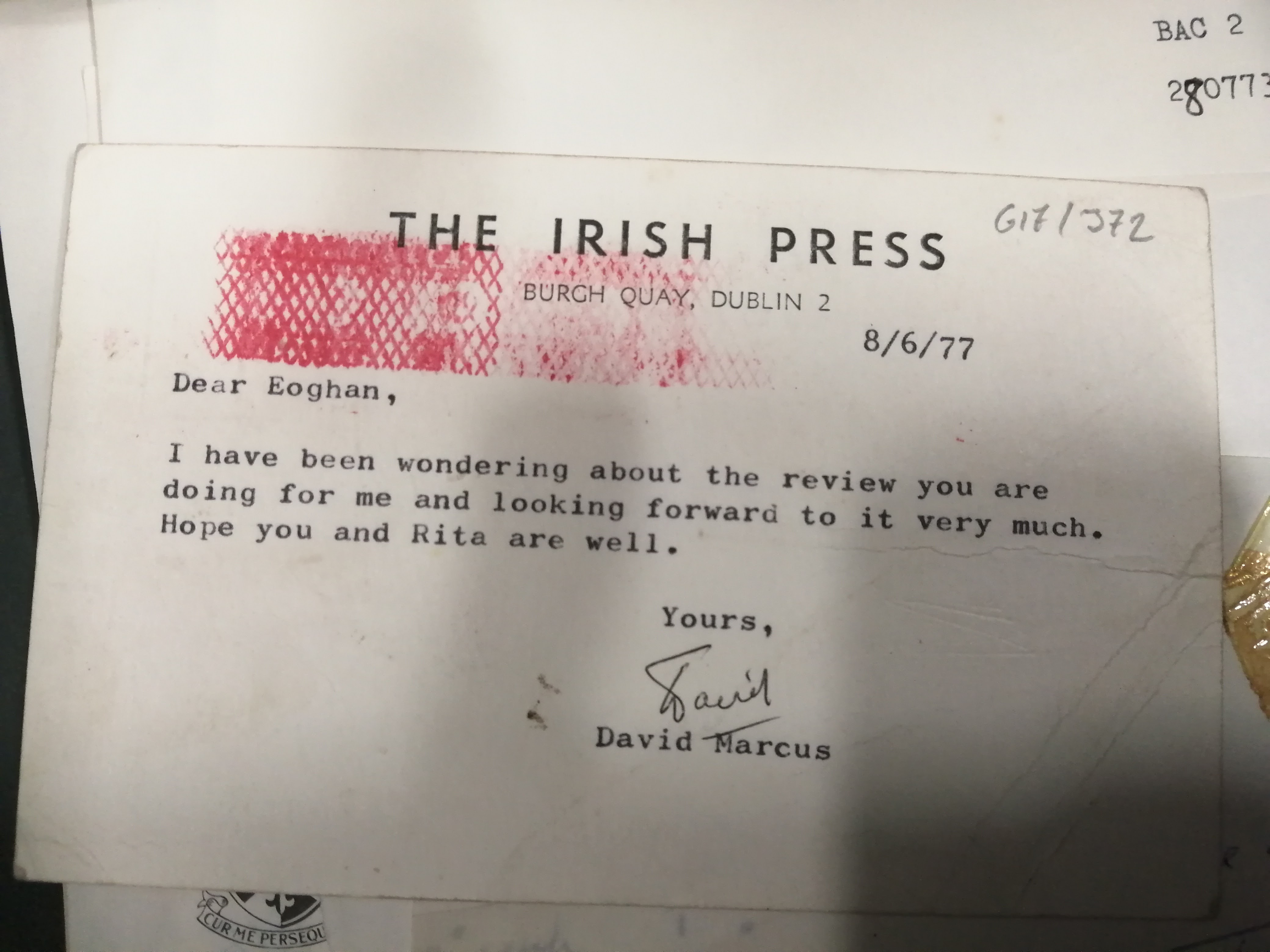
The Ó’Tuairisc archive at NUI Galway Library comprises twenty-six boxes of materials which documents Ó’Tuairisc’s literary and personal life, including manuscripts, drafts of work, correspondence with family, correspondence with Irish writers, editors and publishers, posters and programmes, photographs and a range of other material from the literary life over a number of decades. Files of letters are present from the likes of David Marcus, a long-time editor of Ó’Tuarisc at the Irish Press and Poolbeg Press, Tomás MacAnna at the Abbey Theatre, and other publisher of his poems and plays, such as Mercier Press.


As well as letters from leading Irish writers, from Martín Ó’Direán to John McGahern, early manuscripts and drafts of novels, such as a memorandum book containing notes on characters and the order of chapters for a novel, which later became "An Lomnochtán" (recently translated by Mícheál Ó hAodha and published in English as “I am Lewy” by Bullaun Press), a commemorative work on the 1916 Rising, and numerous drafts, treatments, outlines, and research files, all capturing the literary process of Ó’Tuairisc. The archive is accessible at NUI Galway Library and the catalogue can be searched online here.


Thursday, December 17, 2020

An ceathrú tráinse d’ábhar Chonradh na Gaeilge eisithe.


Bliain dheacair agus aisteach ab ea an bhliain 2020 mar gheall ar phaindéaim Covid-19, agus cuireadh isteach go mór ar an ngnáthshaol. Ní haon ionadh é a rá, ar an drochuair, gur cuireadh isteach ar an obair leanúnach phróiseála ar bhailiúchán Chonradh na Gaeilge. Níorbh fhéidir rochtain a fháil ar na cartlanna ar feadh thréimhse 7 mí chun leanúint leis an obair dhúshlánach chatalógaithe.

Fuarthas rochtain arís ó mhí Lúnasa go Deaireadh Fómhair na bliana seo agus tá áthas orm a bheith in ann thuairisciú go bhfuil an chéad tráinse eile d'ábhar eisithe. Cúig sraith atá i gceist leis an tráinse seo: G60/3 Coistí; G60/13 Ard Fheis; G60/15 Seachtain na Gaeilge; G60/19 Nua-Litríocht, Filíocht agus Scríbhneoirí na Gaeilge agus G60/21 Ábhar a bhaineann le Ceol, Amhráin agus Rince.

Baineann sraith na gCoistí le hobair coistí agus fochoistí éagsúla de chuid Chonradh na Gaeilge agus áirítear léi an Coiste Gnó; an Coiste Airgid; Coiste na bPáistí; Coiste na Féile; an Coiste Um Bhailiú Airgid; an Fochoiste Oideachais; an Fochoiste Gaeltachta; an Fochoiste Oiliúna agus na Fochoistí Craolacháin agus Meán, agus is miontuairiscí agus comhfhreagras atá iontu den chuid is mó.


Cuimsíonn sraith na hArd Fheise ábhar a bhaineann le hArd Fheis bhliantúil Chonradh na Gaeilge. Cuimsíonn sraith Sheachtain na Gaeilge ábhar a bhaineann le féile bhliantúil Ghaeilge an Chonartha a reáchtáiltear i mí an Mhárta. Áorítear leis an dá shraith seo miontuairiscí agus comhfhreagras, aithisc thosaigh, cláir agus ábhar poiblíochta.


Áirítear leis an tsraith Nua-Litríocht, Filíocht agus Scríbhneoirí dréachtscripteanna agus aistí, beathaisnéisí agus scéalta báis, míreanna a bhaineann le comórtais agus duaiseanna, cáipéisí a bhaineann le féilte agus seoltaí leabhar agus ábhar a bhaineann le hiriseoireacht na Gaeilge.


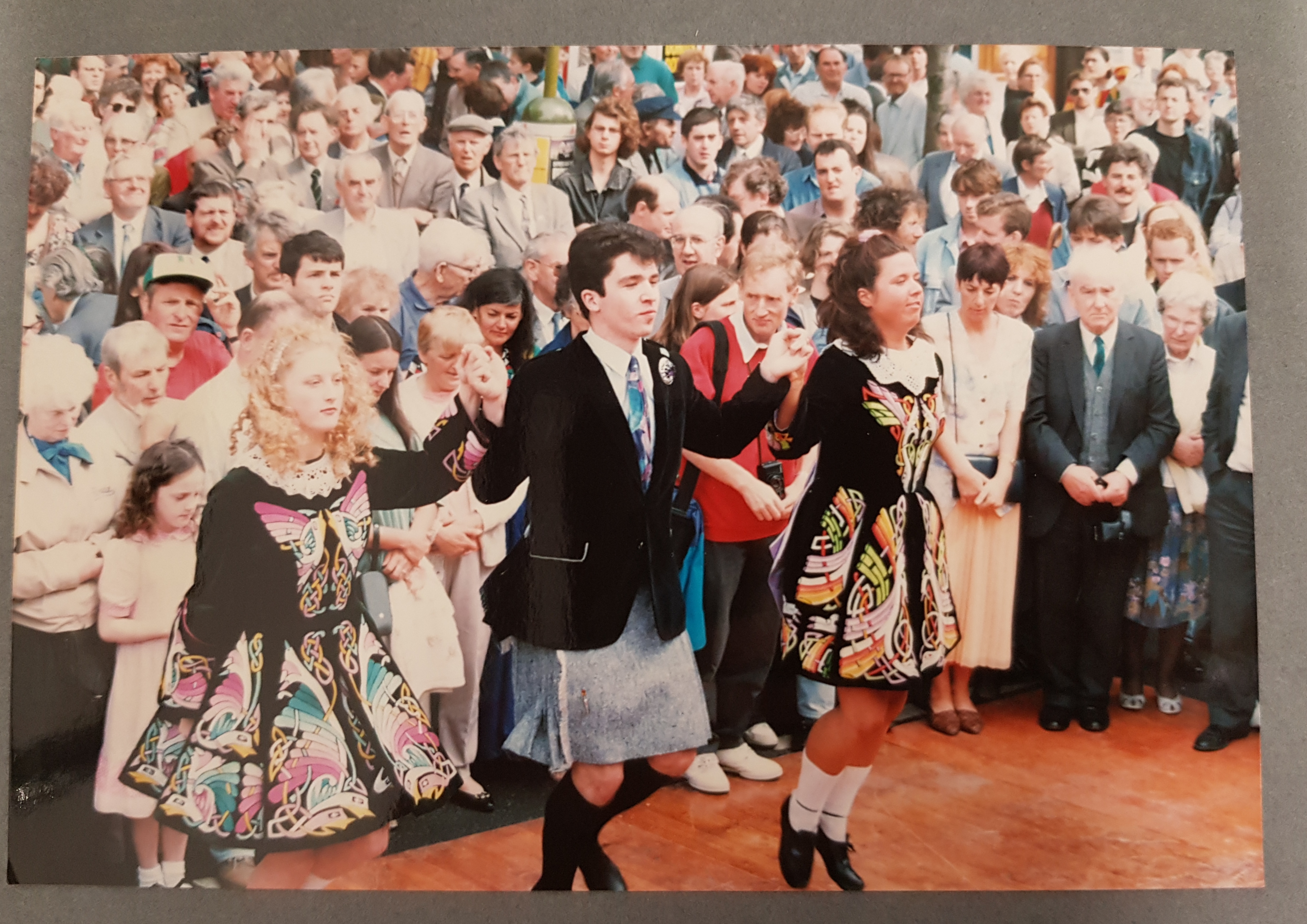
Áirítear leis an tsraith dheiridh san eisiúint seo, Ábhar a bhaineann le Ceol, Amhráin agus Rince bileoga ceoil ginearálta, bileoga ceoil an Oireachtais, cláir, grianghraif, póstaeir agus comhfhreagras. Áirítear leis na bileoga ceoil "Go Mairidh Ár nGaedhilg Slán", ar píosa é a cumadh go speisialta don chéad Oireachtas i mBaile Átha Cliath in 1897.


Díreach faoi bhun 70 bosca atá i gceist leis an eisiúint is deireacaí seo, agus fágann sé gur 240 líon na mboscaí atá eisithe chun dáta. Tá rochtain orthu seo agus ar aon ábhar eile, áfach, faoi réir ag na srianta reatha atá i bhfeidhm ag an rialtas, ar féidir léamh fúthu anseo.

Leanfar leis an obair ar an mbailiúchán iontach seo má ligeann srianta an rialtais dúinn déanamh amhlaidh agus tá súil againn nach mbeidh tréimhse ama chomh fada sin i gceist sula bhfógrófar go bhfuil ábhar eile le heisiúint. Tuilleadh eolas anseo ar a bhfuil ar fáil.

Idir an dá linn, fanaigí slán, fanaigí sábháilte agus beirigí bua,

Niamh


English Version:


Naisc eile:


Fourth Tranche of Conradh na Gaeilge material released


2020 has been undoubtedly a strange and difficult year for everyone with the onset of the Covid-19 pandemic and the worldwide heartache and disruption it has caused. It will come as no surprise therefore to state that this has also unfortunately affected the ongoing work of processing the Conradh na Gaeilge collection. Access to the archives to continue the painstaking work of cataloging the collection was not possible for a 7 month period.


From August to October of this year, access was again thankfully possible and I am happy to report that the next tranche of material has now been released. This tranche comprises of five series: G60/3 Committees; G60/13 Ard Fheis; G60/15 Seachtain na Gaeilge; G60/19 Modern Irish Language Literature, Poetry and Writers and G60/21 Music, Song and Dance Material.


The Committees Series relates to the work of various committees and subcommittees of Conradh na Gaeilge including the National Executive; Finance committee; Children's committee; Festival committee; Fundraising committee; Education subcommittee; Gaeltacht subcommittee; Training subcommittee and the Broadcasting and Media subcommittees, and consists mainly of minutes and correspondence.


The Ard Fheis series covers material relating to Conradh na Gaeilge's annual congress. The Seachtain na Gaeilge series covers material relating to Conradh's Irish language festival which takes place annually in March. Both series include minutes, correspondence, opening  addresses, programmes and promotional material.


The Modern Irish language Literature, Poetry and Writers series includes draft scripts and essays, biographies and obituaries, items relating to competitions and awards, documents relating to book festivals and launches and material relating to Irish language journalism.


The final series in this release, Music, Song and Dance Material, includes general sheet music, Oireachtas sheet music, programmes, photographs, posters and correspondence.


This latest release comprises of just under 70 boxes of material and brings to 240 the total number of boxes released to date. Access to these and any other material is dependent on current government restrictions however, which can be viewed here.

Government restrictions permitting, the work processing this amazing collection continues and it is hoped that news of further releases will not be as long in coming! To see what is currently available, check the archives catalogue here.

In the meantime, stay safe and take care,

Friday, November 27, 2020

'Muintir na Tíre' - Researching Rural Communities and the Muintir Archive - Barry Sheppard


My ‘association’ with Muintir na Tíre goes back to early 2013. A long fascination with the workings of rural communities led me to undertake some research on the formation of the Ráthcairn Gaeltacht in Co Meath for a magazine article. That research took me on something of an unexpected journey from Meath to England and back.  An organisation of English agrarians named the Catholic Land Movement had kept a watchful eye on developments in Ráthcairn, believing that the blueprint for this engineered community of small farmers could be adopted in England to suit their rural utopian ambitions. 

            Their interest in Irish rural affairs was not limited to the embryonic Ráthcairn project, however.  Enamoured with the efforts of Canon Hayes and Muintir na Tíre in the area of rural community development, they viewed Muintir as an inspiration and kindred spirit. Examining many contemporary newspapers I discovered a speech by Catholic Land Movement leader Harold Robbins at a Muintir ‘Rural Week’ in 1938 which emphasised, as he saw it, the connections between the rural mission of his organisation and that of Muintir. Hailing ‘the genius of our common philosophy’, he argued that there were now widely scattered groups across the globe in an almost identical struggle against the excesses of industrial capitalism.[1] This one sentence brought forth so many questions, and ultimately changed the course of my academic research.  Firstly, who were these groups engaged in an identical struggle? What was the struggle? And what role did Muintir na Tíre play in it all?  This formed the basis of my MA thesis and subsequent PhD studies.

Completely new to Muintir, I was unsure where to go next. Several conversations with people in NUIG, particularly Dr Tony Varley provided some invaluable leads, for which I am still extremely grateful.  One of these conversations led me to Mr Tom Fitzgerald, Muintir na Tíre member and one-time secretary to the movement’s leader, John Hayes. Over the course of a long conversation with Mr Fitzgerald, in which we spoke about Canon Hayes, the origins of the movement and its place in Irish society, Tom told me about the Muintir archives which were at that time stored in the old gaol house in Tipperary town. I was kindly invited to come down and explore them and use what would be helpful in my research. 

At the time I knew so little of Muintir that I would not have known where to begin with such a resource, therefore I respectfully and temporarily declined. I was, however informed a couple of years later that the Hardiman Library had acquired the Muintir collection. I kept a keen eye on developments there.  The collection was now in the best hands and would be properly archived for researchers to explore. 

My opportunity to finally explore this fantastic resource came once I had been accepted onto the PhD programme in Queen’s University in 2018. Indeed, I believe it was the possibility of using this relatively untapped resource which helped in my application. My research proposal was to investigate the international relationships Muintir na Tíre developed under John Hayes.  The first trip to the newly archived Muintir collection came in February of 2019.  Upon consulting the online catalogue I became aware of one important thing. I was correct not to take up Tom Fitzgerald on his kind offer as I would have been completely lost in such an expansive collection.


The NUIG Muintir na Tíre collection is breath-taking. It is only in person that one can get a sense of just how extensive, and valuable this resource is. Helped, of course by the expert advice of the library archivists, my Muintir archive journey began with Canon Hayes himself.  Hayes’s section of the archive contains enough for a PhD publication on its own. Collections of papers, speeches and correspondences provide a fascinating insight into the man who founded the movement and show the international impact he made.  There is, however, much, much more. Financial records, minutes, correspondences, rural week materials, the Muintir Film and Credit societies, as well as plentiful files on other key Muintir figures provides a goldmine of information for current and future social and economic historians.  There are many potential PhD’s and publications to come from this impressive archive.

Even in our uncertain present, where access to archives is limited, there is much to explore.  The Hardiman library have digitised a wealth of Muintir publications such as the monthly Landmark newspaper and the annual Rural Ireland publication. These resources have personally proved invaluable in these lockdown months.  Articles on Muintir guilds and regional activities appear alongside works by international contributors, showing that while the organisation was primarily concerned with the welfare of rural Irish society, they kept members abreast of international affairs, ensuring they had an informed society with a keen eye on global rural developments.

The Muintir na Tíre archive at the Hardiman Library is hugely important and tells us much about Irish society in the twentieth century. One hopes that once a corner is turned and some semblance of normality returns, that the materials contained within can be used again to their full potential, which should keep researchers busy for years, if not decades to come.


[1] Irish Independent, 1 Sept. 1938.

Wednesday, August 5, 2020

A Galway Wedding - From the Archives

Wedding of Henrietta Kathleen Joyce

On 30 April, 1901 a wedding took place at the Roman Catholic church in Castlegar, three miles from the centre of Galway City. It would, perhaps, have been unusual for that church to see such a fashionable wedding party, accustomed as it was to the more restrained and plainer outfits of its parishioners, most from humbler or middle-class farming families. The bride on this occasion was Henrietta Kathleen Joyce, daughter of Pierce Joyce of Merview House. The eagle-eyed reader will spot that this photograph was taken in front of Merview/Mervue House, known to Galwegians in more recent times as Royal Tara China.

Kathleen was marrying a “neighbour’s child”: Thomas David Wilson-Lynch, of the Lynch family of Renmore House though at the time of his marriage he indicated he was living at Kilcornan House in Clarinbridge, the family home of his mother, Frances Redington.  Though he was the son of a family who had and still held a large landed estate, it is telling that Thomas recorded his profession as “local government inspector”, signalling the changing times that were then overtaking the landed gentry of County Galway. The witnesses to the marriage were Dr. Edward Stapleton and Lily O’Neill Power. Thomas and Kathleen had a daughter in 1906, baptised Catherine Anne Mary Wilson Lynch, afterwards known as Maureen, and in time she inherited the substantial archives of both the Wilson-Lynch and Redington estates. In the later 20th century she took the decision to deposit this archive in the James Hardiman Library where it is the collection known as LE6. The detailed list of its contents can be accessed on the Archives Catalogue. See: https://archivesearch.library.universityofgalway.ie/index.php/wilson-lynch-papers  

The archive descriptive list illustrates the breath of content of the collection, covering themes such as estate administration, social and political life as well as personal correspondence.

 It is the largest of our landed estates collection and has provided the foundation for a number of studies including a monograph history of the Redington family of Clarinbridge by Joe Murphy (reprinted 2017 ) and articles by Geraldine Curtin (Galway Roots: journal of the Galway Family History Society, 1998) and Brigid Clesham (The Other Clare, 2001). In 2019 the archive was augmented by the addition of some photographs from the Redington family collection, including this splendid photo of a Galway wedding that took place 119 years ago.

Monday, July 27, 2020

Riders Upon Galloping Horses - The Galway Races from the Archive

Cover of programme, Galway Races, 1969
An evening at the Galway races over a century ago inspired the poet W.B. Yeats to write a poem especially to mark what he had experienced. Written at the home of his friend and collaborator, Lady Augusta Gregory, Coole Park, in county Galway in 1908, "At the Galway Races" sums up the spectacle, passion and revelry that the unique annual Galway race meeting brings. 

A series of watercolour sketches by Jack B. Yeats, depicting various scenes from the Galway races, race meetings, as well as horse and trade fairs in the West of Ireland, dating from 1900, are on display in our Archives and Special Collections Reading Room.

At Galway Races
There where the course is,
Delight makes all of the one mind,
The riders upon the galloping horses,
The crowd that closes in behind:
. . . .
Its flesh being wild, and it again
Crying aloud as the racecourse is,

And we find hearteners among men
That ride upon horses."                                  

Within our collections is a race card from the centennial meeting of the Galway Races. The 1969 meeting marked 'a century of racing at Ballybrit' and in particular, its centerpiece event, the Galway Plate. The programme includes a note on the history of the races written by Christy Townley, then Librarian of the Hardiman Library, U.C.G., as the University was then known. 


The runners and riders for the centennial plate race are listed - thirteen listed starters in all. The prize money is detailed and the distance noted as being "two miles and about five furlongs". The owner of the race-card lists the placed finishers with the winner of the 1969 Galway Plate being "Royal Day", owned by Mr. P. Dunne Cullinan and trained by P. Sleator. (there is no evidence that this race-goer had the winner backed!)

Entrants in Galway Plate, 1969
Also of note on the back cover of the programme is a tip for "an essential for Galway Week . . ." and being "a credit or deposit account with Tote Investors (Ireland) Ltd." Hopefully that 'credit account' did not grow too large.